Touch-Enabled Features Revolutionizing Bonus Activation in Mobile Slot Experiences Across Regulated Regions
Written by Felix Lorenz · Aug 14, 2026
Touch-Enabled Features Revolutionizing Bonus Activation in Mobile Slot Experiences Across Regulated Regions
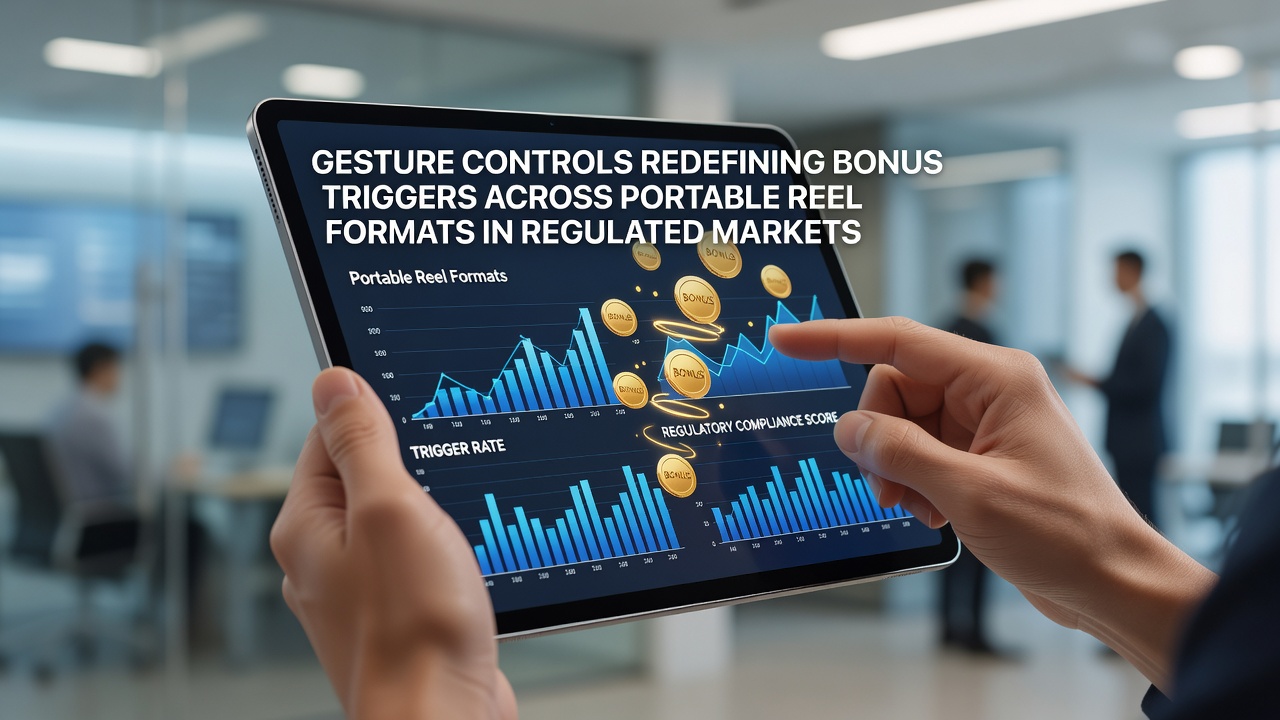
Gesture controls have started reshaping how bonus triggers operate inside mobile slot formats that operate under strict regulatory oversight in multiple jurisdictions, and developers continue integrating swipe, tap, and tilt mechanics that replace or supplement traditional button presses. Data from industry tracking services shows that adoption rates for these interfaces climbed steadily through mid-2026, particularly in markets where mobile participation accounts for the majority of session volume. Regulators in several regions require that any new interaction layer still maintains the same randomness certification and audit trails that apply to standard reel mechanics, which means testing protocols now include gesture recognition accuracy alongside payout verification.
Mechanics Behind Gesture Integration
Portable reel formats use accelerometer data, capacitive touch layers, and on-screen prompts to detect specific movements that initiate bonus rounds or modify reel behavior during base play. A player might tilt the device to nudge symbols into alignment for a scatter trigger, or perform a circular swipe to activate a multiplier wheel that appears after a winning combination lands. These actions do not alter the underlying random number generator; instead they serve as user-facing inputs that map to predefined game states already approved during certification. Observers note that this mapping process allows operators to introduce visual feedback loops, such as animated hand icons or haptic vibrations, without changing the mathematical model that determines outcomes.
Regulatory Frameworks and Compliance Requirements
Authorities outside the United Kingdom have published guidance documents that address gesture-based features directly. The Nevada Gaming Control Board updated its technical standards in early 2026 to include testing criteria for motion-sensor inputs, requiring that any gesture must register within a defined tolerance window and produce consistent results across different device models. Similar updates appeared in documentation from the Alcohol and Gaming Commission of Ontario, where operators must demonstrate that gesture prompts remain optional so players who prefer conventional taps can still access identical bonus content. These rules ensure accessibility standards remain intact while allowing innovation in the interface layer.
Figures released by the Australian Communications and Media Authority in August 2026 indicated that mobile slot sessions incorporating gesture prompts recorded average session durations comparable to those using button-only controls, suggesting that the new mechanics have not disrupted established play patterns. Compliance teams at licensed studios now run additional device-matrix testing that covers flagship smartphones and tablets released in the preceding twelve months, checking for latency issues that could affect trigger timing.
Bonus Trigger Redesign in Practice
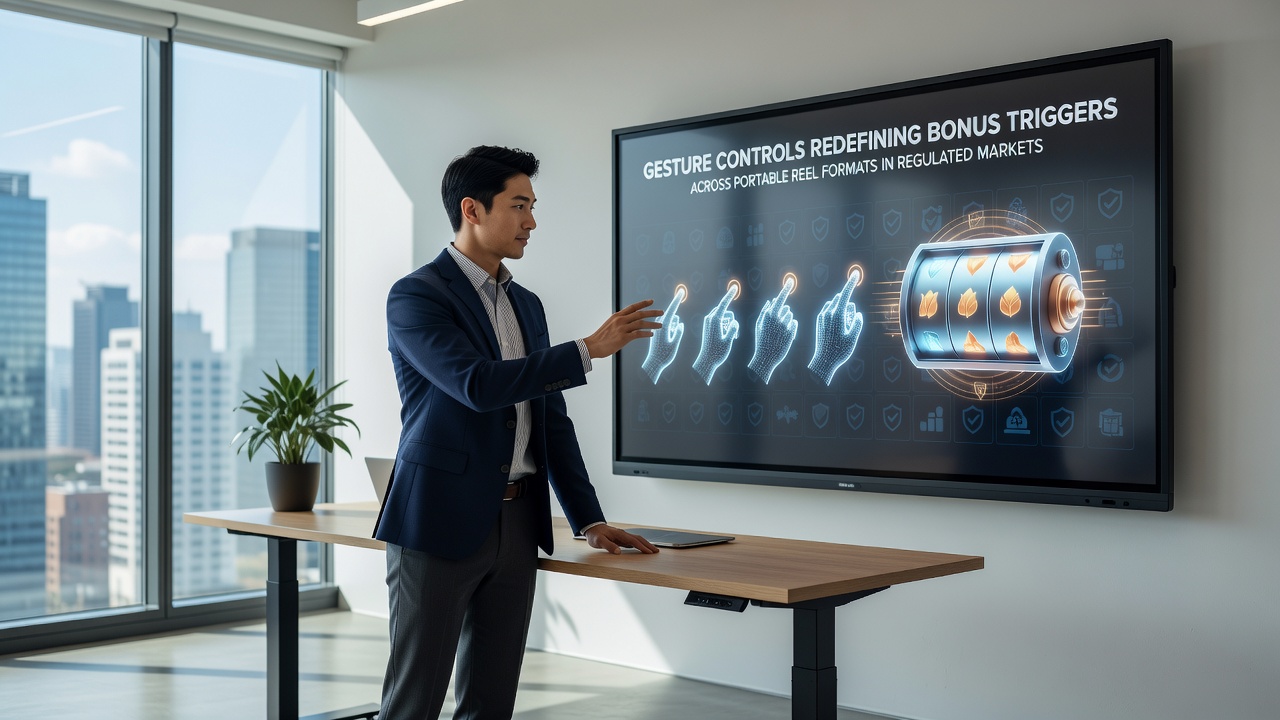
Game studios have begun mapping established bonus entry conditions onto gesture sequences that feel intuitive on smaller screens. Instead of tapping a separate “spin” button to collect symbols for a free-round feature, some titles register a sustained press followed by a directional flick that launches the collected symbols into a dedicated bonus zone. This approach keeps the same probability weightings while giving players a more direct sense of involvement in the trigger event. Research papers presented at the 2026 International Gaming Conference documented that such mechanics appear most frequently in titles certified for markets in the European Economic Area and select Canadian provinces, where mobile-first design has become the default release strategy.
Testing laboratories report that gesture accuracy rates above 98 percent across common device orientations now form part of the standard certification checklist. When accuracy falls below that threshold, developers must adjust sensitivity parameters or provide fallback input methods before the title receives approval. This requirement has led to hybrid interfaces that combine gesture options with traditional taps, allowing the same game build to serve multiple regulatory environments without separate code branches.
Market Data and Adoption Patterns
Industry reports compiled by the European Gaming and Betting Association in August 2026 showed that titles featuring gesture-triggered bonuses captured a growing share of downloads in jurisdictions that permit mobile gaming under centralized licensing. Participation metrics remained stable when compared with the previous year, indicating that the shift in input method has not produced measurable changes in player retention or spend patterns. Operators in those markets continue to publish device-compatibility lists that highlight which gestures function reliably on each supported handset, reducing support queries related to unresponsive controls.
Academic studies from the University of Nevada, Las Vegas gaming research center examined how gesture latency correlates with perceived fairness in controlled trials. Participants who experienced sub-100-millisecond response times reported no difference in trust levels compared with button-based versions, whereas higher latency introduced measurable drops in confidence scores. These findings have informed the calibration standards now applied during certification reviews in several North American markets.
Conclusion
Gesture controls continue to expand the range of interaction options available inside mobile slot formats that operate within regulated environments. Certification bodies have incorporated specific testing protocols that preserve existing randomness and fairness requirements while accommodating new input methods. Data collected through August 2026 indicates steady integration across multiple jurisdictions without disruption to established participation or compliance metrics. As device hardware improves and additional markets finalize their technical standards, further refinements in gesture mapping and fallback systems are expected to appear in future certified releases.