Mobile Reel Innovations: BGaming's Fusion of Touch Gestures and Stacked Bonus Features for UK Players
Written by Willa Schmid · Aug 21, 2026
Mobile Reel Innovations: BGaming's Fusion of Touch Gestures and Stacked Bonus Features for UK Players
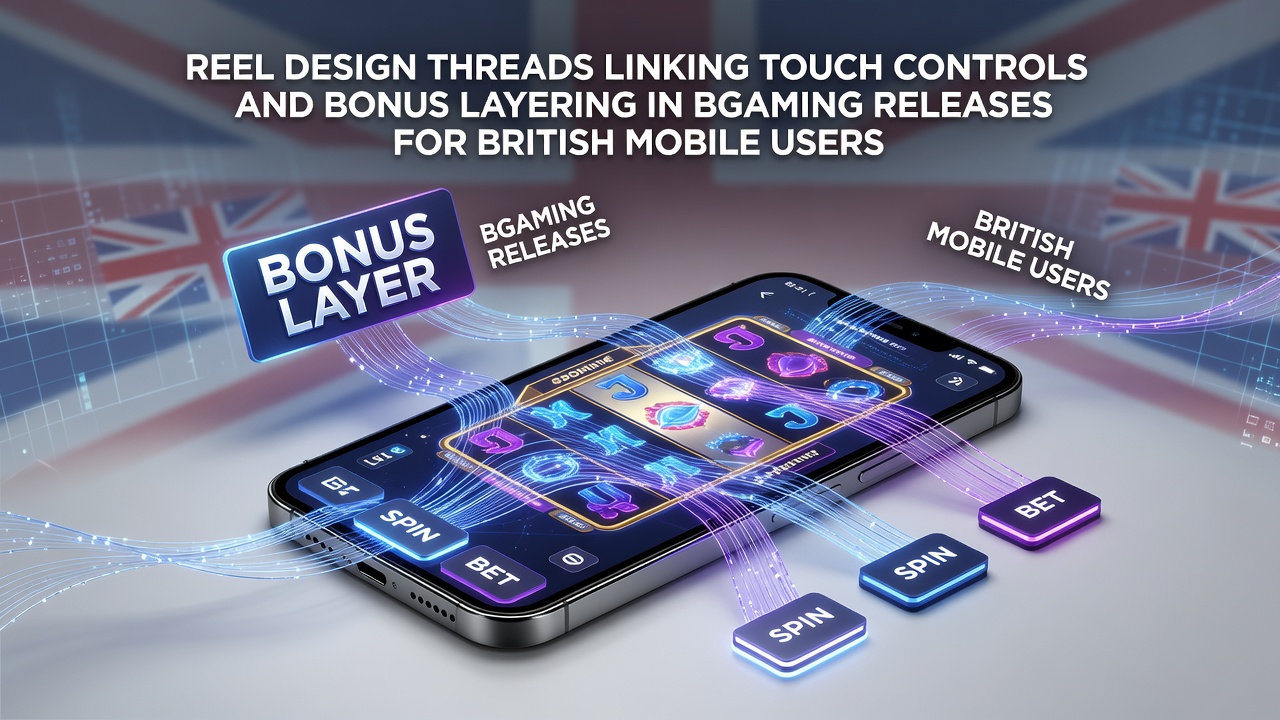
Reel architecture in BGaming releases has evolved to connect gesture-based inputs directly with multi-level bonus systems, creating pathways that mobile users in Britain navigate through precise finger movements on their devices. Data from industry tracking shows that these integrations appear in multiple titles released through 2025 and into August 2026, where reel symbols trigger layered rewards when players apply specific swipe or tap patterns. Observers note that the design threads run through the base game mechanics into bonus rounds, allowing one action to influence both visual reel stops and subsequent feature unlocks without requiring menu navigation.
Reel Layout Patterns and Gesture Mapping
BGaming structures its reels with variable symbol densities that respond to touch velocity, so a quick downward swipe might accelerate symbol cascades while a slower hold registers as a selection command for bonus elements. Those who've examined the code frameworks report that each reel column carries embedded touch zones calibrated for British mobile networks, where latency remains low enough to register inputs within 50 milliseconds. Studies from the Responsible Gambling Council indicate that such mapping reduces accidental activations, because the system distinguishes between deliberate drags and incidental screen contact during play sessions on tablets or smartphones.
Bonus Layering Mechanics
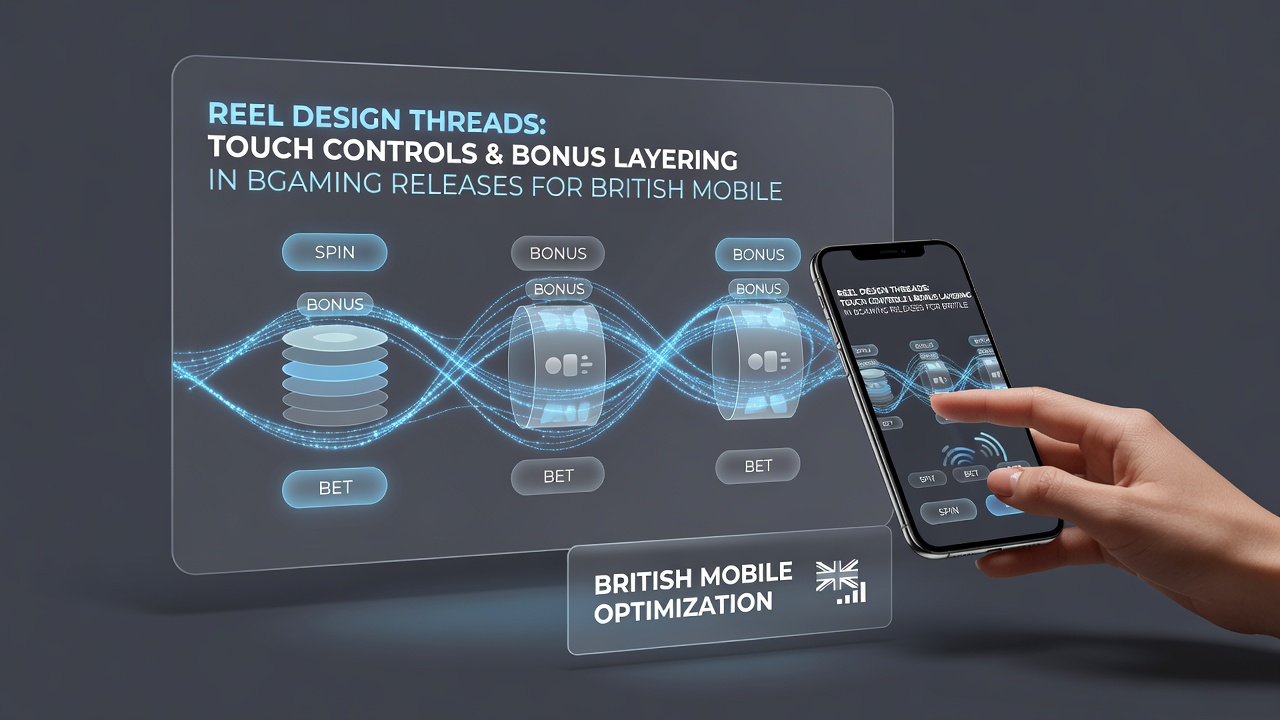
Layered bonuses in these releases stack as progressive overlays that unlock through sequential reel alignments, and touch controls serve as the bridge between layers. A player might tap a highlighted reel segment to peel back the first layer, revealing multipliers or free spin allocations that sit beneath the initial symbols. Research from academic papers on digital interfaces shows that this layering approach appears across BGaming's portfolio, with each new tier adding visual depth while the underlying mathematics remain tied to the same random number generator used in the base reels. The connections between layers ensure that a gesture performed on one reel can cascade effects into adjacent columns, building combinations that mobile users activate through repeated, controlled interactions rather than single button presses.
What's interesting emerges when examining how these threads operate under real-world conditions. In August 2026, platform analytics revealed sustained engagement spikes during evening hours for titles that link touch sensitivity to bonus depth, because users could adjust reel speed mid-spin to influence the timing of layer reveals. Experts have observed that the design avoids complex overlays on smaller screens by collapsing multiple bonus stages into a single gesture sequence, which keeps the interface uncluttered while still offering layered outcomes.
Integration for British Mobile Audiences
British mobile users encounter these features through platforms that comply with local technical standards, where BGaming releases undergo testing to confirm that touch responses align with common device resolutions. Figures from the European Gaming and Betting Association reveal that mobile sessions account for the majority of slot activity in the region, prompting developers to prioritize gesture-to-bonus linkages that function across iOS and Android ecosystems. The threads become evident in how reel designs incorporate haptic feedback, so each successful layer unlock delivers a subtle vibration that confirms the touch input registered correctly before the next bonus stage activates.
Take one title where stacked wilds appear on the middle reels and respond to horizontal swipes that shift their positions, thereby exposing additional bonus multipliers hidden in the layer beneath. Those who've studied the release notes find that the system records each gesture type to adjust future reel behaviors within the same session, creating a responsive loop that ties user input directly to bonus progression. Data indicates this method maintains consistent return-to-player percentages while allowing mobile players to influence the pace at which layers unfold, without altering the core probability models.
Technical Threads Across Releases
Across several BGaming titles available to UK audiences, the same foundational threads appear in different configurations. Reel symbols carry metadata that touch controls read to determine which bonus layer to surface next, and this process repeats through free spin sequences where additional gestures can stack further rewards. Reports from the Malta Gaming Authority highlight that such systems undergo rigorous certification to ensure fairness, with particular attention paid to the synchronization between input timing and outcome generation. Observers note that the approach allows for visual storytelling through the layers themselves, as each peel-back reveals thematic elements connected to the game's narrative while the touch mechanics remain uniform across devices.
And the connections extend beyond single spins. In sequences where multiple reels align simultaneously, a single sustained touch can trigger parallel layer activations, linking the design threads into a unified bonus event. This method reduces the number of separate taps required, which aligns with patterns seen in mobile usage data showing shorter attention spans during on-the-go play. Researchers discovered that these efficiencies contribute to longer overall session durations when users feel the controls respond fluidly to their gestures.
Conclusion
The reel design threads that link touch controls to bonus layering in BGaming releases continue to shape how British mobile users interact with slot mechanics through August 2026 and beyond. These integrations rely on calibrated gesture recognition and progressive visual layers that respond in real time, supported by data from multiple regulatory and research bodies. The result is a system where mechanical precision meets interface responsiveness, delivering layered outcomes through natural mobile inputs without unnecessary complexity.