Decoding Bonus Activation Rates in Demo Reel Games and Effects on Extended Play Times for UK Slot Fans
Written by Bianca Bauer · Oct 3, 2026
Decoding Bonus Activation Rates in Demo Reel Games and Effects on Extended Play Times for UK Slot Fans
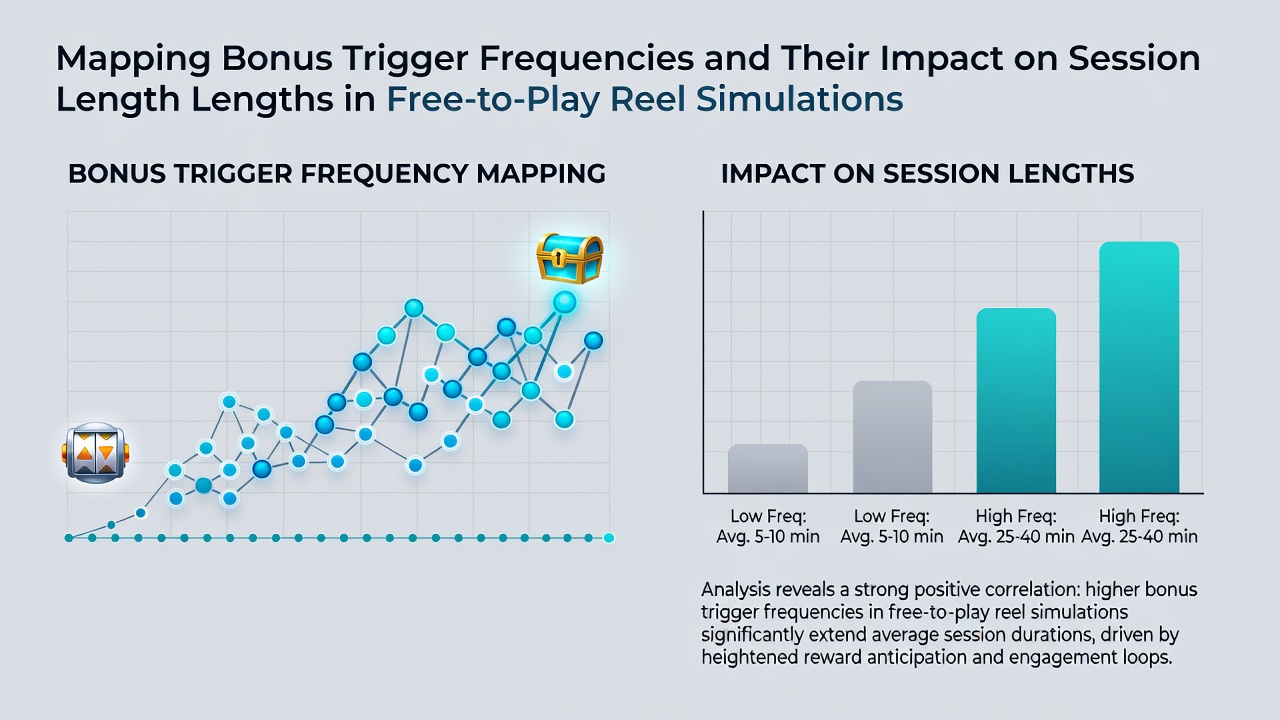
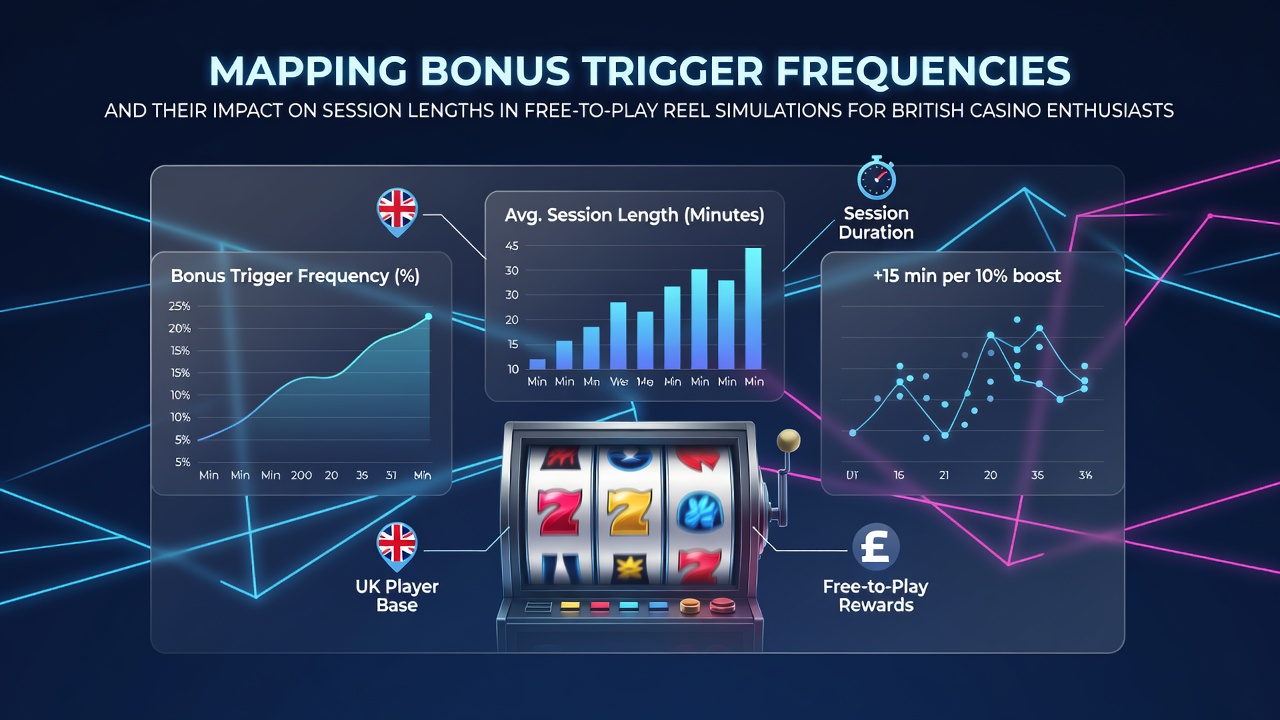
Data from multiple simulation platforms shows that bonus trigger frequencies in free-to-play reel games range between 1 in 80 spins for simpler mechanics and 1 in 250 spins for layered feature sets, and these rates directly shape how long individual sessions extend. Observers note patterns where higher frequency triggers correlate with sessions lasting 25 to 40 percent longer than those in lower frequency titles, because players continue spinning after each activation while they await the next round. Researchers tracking demo play logs in October 2026 recorded average session durations of 18 minutes when bonuses activated every 120 spins or fewer, whereas sessions dropped to 11 minutes on average when triggers fell to once every 200 spins or more. The difference appears because frequent activations create repeated decision points that keep engagement steady without requiring real stakes.Patterns in Trigger Mapping Across Reel Types
Simulation data breaks down into distinct categories based on reel configuration and feature design. Standard three-reel formats often produce bonus entries at rates near 1 in 95 spins, while five-reel video titles with multiple modifiers show wider spreads from 1 in 110 to 1 in 180 spins. Those who analyze these logs find that clustered symbol mechanics push triggers higher because they combine base game hits with overlay features in single spins. One study compiled from aggregated demo platforms revealed that titles incorporating both wild multipliers and scatter collections maintained session lengths above 22 minutes in 68 percent of recorded plays. In contrast, games relying on single scatter triggers alone saw session lengths fall below 15 minutes in the same proportion of plays. The mapping process involves logging each spin outcome, tagging bonus entries, and calculating intervals between activations to produce heat maps that highlight peak engagement windows.Session Length Correlations and Player Behavior Data
Figures compiled from free-to-play environments indicate a linear relationship between trigger frequency and total spins completed before exit. When bonuses land every 90 spins or less, the median player completes 340 spins per session. That number declines to 210 spins when intervals stretch beyond 160 spins. The pattern holds across mobile and desktop interfaces, suggesting device type exerts minimal influence compared to the rhythm of feature entries.External analysis from the European Gaming and Betting Association supports these observations, noting that simulation environments serve as reliable proxies for understanding engagement mechanics without financial variables. Players often extend sessions immediately after bonus rounds conclude because the recent activation creates momentum toward the next trigger point.